 0804580302508045803025


 English
 Spanish
 French
 German
 Italian
 Chinese (Simplified)
 Japanese
 Korean
 Arabic
 Portuguese
 Send Inquiry
 Call Me Free
 Send SMS

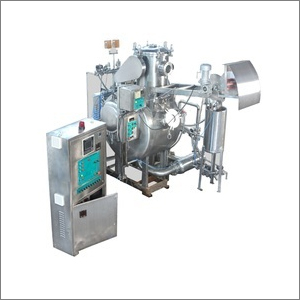
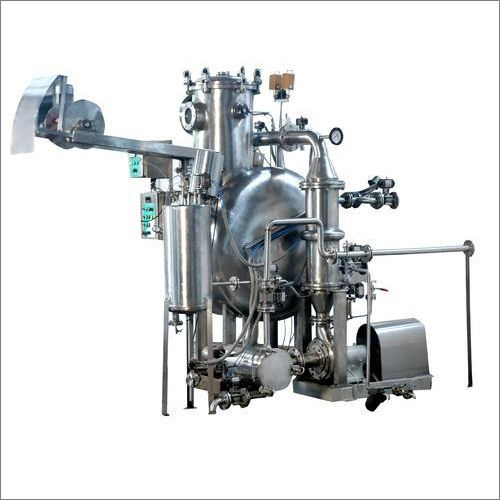
SS Soft Overflow Dyeing Machine
Product Details:
- No Of Chamber 1 to 3 (as per model)
- Capacity 100 kg to 1000 kg per batch
- Temperature Range Up to 140°C
- Usage & Applications For dyeing polyester, cotton, viscose, blended fabrics and delicate textile materials
- Condition New
- Applicable Material Stainless Steel (SS 304/316L)
- Weight Approx. 1800 kg
- Click to View more
X
SS Soft Overflow Dyeing Machine Product Specifications
- 7.5 kW
- For dyeing polyester, cotton, viscose, blended fabrics and delicate textile materials
- New
- Stainless Steel Centrifugal Pump
- Up to 140°C
- 100 kg to 1000 kg per batch
- 1 to 3 (as per model)
- Up to 2400 mm
- 600 L to 6000 L
- PLC Based Automatic Control
- Soft Overflow Dyeing Machine
- Woven, Knitted, Delicate and Synthetic Fabrics
- 380V / 415V (Three Phase)
- 2023
- Low Liquor Ratio, High Efficiency, Gentle Fabric Treatment, Energy Saving, User-friendly Operation
- Variable (adjustable) up to 300 RPM
- Stainless Steel (SS 304/316L)
- Customized as per requirement
- Automatic Overflow Dyeing Machine
- Approx. 1800 kg
- 100% Stainless Steel
- Direct / Indirect Cooling System
- 1:4 to 1:6 (Low Liquor Ratio Design)
- Automatic Dosing for Chemicals and Colors
- Floor Mounted
- Easy Maintenance with Accessible Service Points
- High-sealing Gasket for Leak-proof Operation
- Manual / Pneumatic Autodoor (optional)
- CE Certified, ISO 9001:2015 Approved
- High-grade Thermal Insulation for Energy Efficiency
- Low Noise (<75 dB) Operation
- Overheat Protection, Pressure Relief Valve, Emergency Stop Button
- Steam or Electric Heating
- Digital Touchscreen HMI Display
Product Description
SS Soft Overflow Dyeing Machine is a type of dyeing machine used in textile industries for dyeing fabrics, yarns, and other textile materials. The machine uses the principle of a continuous dyeing process, where the textile materials are continuously fed into the dyeing chamber and passed through a series of overflow dyeing tanks.The machine has a stainless steel construction, which makes it durable and resistant to corrosion. The design is compact and energy-efficient, ensuring low power consumption and reduced operational costs.
Exceptional Fabric Compatibility
This dyeing machine handles a diverse range of textile materials-including polyester, cotton, viscose, blends, and delicate synthetic fabrics. Its gentle overflow process protects fiber integrity, making it suitable for technical and high-value textiles. Adjustable speed and batch capacity allow adaptation to different production demands, making it ideal for both small- and large-scale manufacturers.
Energy-Efficient, Low Liquor Ratio Design
Operating at a low liquor ratio of 1:4 to 1:6, this overflow dyeing machine enables significant water and chemical savings. Its high-grade thermal insulation and intelligent dosing system further improve energy efficiency and fabric processing consistency, delivering high-quality results with reduced operating costs.
Advanced User-Focused Automation
Equipped with a modern PLC-based control system and intuitive touchscreen HMI, the machine simplifies operation, recipe management, and monitoring. Automated dosing, customizable dimensions, and user-friendly maintenance features streamline workflow, minimize manual effort, and ensure reliable performance batch after batch.
FAQ's of SS Soft Overflow Dyeing Machine:
Q: How does the SS Soft Overflow Dyeing Machine ensure gentle treatment of delicate fabrics?
A: The machine features a soft overflow dyeing process and adjustable speed up to 300 RPM, which gently circulates fabrics while minimizing mechanical stress. This design is suitable for delicate and synthetic materials, reducing the risk of damage or creasing during dyeing.Q: What types of fabrics and materials can be processed with this machine?
A: It is specifically designed for woven, knitted, blended, and synthetic fabrics, including polyester, cotton, viscose, and delicate textile materials. The robust construction and versatile settings allow it to accommodate a variety of fabric widths up to 2400 mm.Q: When is the automatic dosing system used, and why is it beneficial?
A: The automatic dosing system operates during dyeing cycles to precisely add chemicals and colors, ensuring even distribution and consistent color quality. This automation improves process reliability, reduces manual intervention, and enhances safety by minimizing chemical handling.Q: Where can the SS Soft Overflow Dyeing Machine be installed?
A: The machine is designed as a floor-mounted unit with customizable dimensions, making it adaptable for installation in textile mills, dye houses, and industrial settings. Its CE certification and ISO 9001:2015 approval ensure compliance with industry standards globally.Q: What process control features are available for operation and monitoring?
A: It includes a PLC-based automation system with a digital touchscreen HMI for easy programming, process monitoring, and control. Multiple safety features-such as overheat protection, a pressure relief valve, and emergency stop-ensure safe and efficient operation.Q: How is maintenance managed, and what features make it convenient?
A: Maintenance is simplified through accessible service points, robust stainless-steel construction, and high-sealing gaskets that prevent leaks. These features facilitate easy cleaning and routine upkeep, ensuring long-term durability and minimal downtime.Q: What are the main benefits of using this dyeing machine in textile production?
A: Key benefits include low noise operation (<75 dB), significant water and energy savings, gentle fabric care, automatic dosing, reliable safety systems, and compliance with international quality standards. These elements contribute to enhanced productivity, product quality, and cost efficiency.Tell us about your requirement

Price:
Quantity
Select Unit
- 50
- 100
- 200
- 250
- 500
- 1000+
Additional detail
Mobile number
Email

Other Products in 'Soft Overflow Dyeing Machine' category
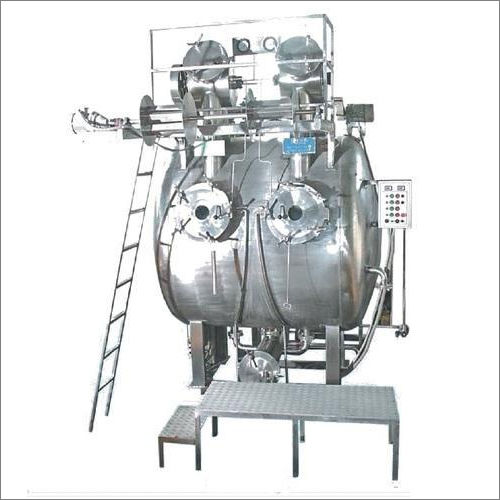
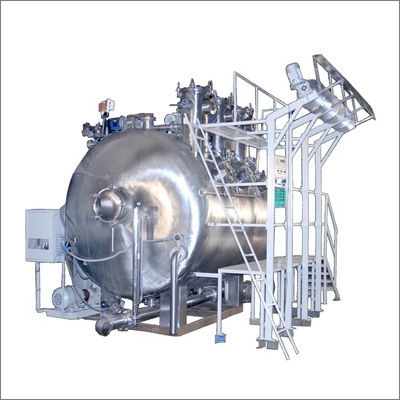
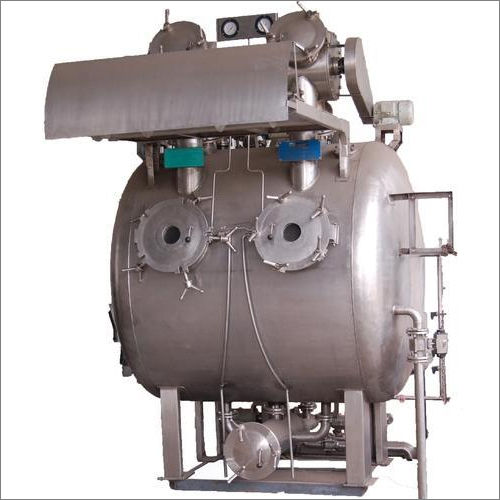

We export in USA Indonesia, Vietnam, Bangladesh, Ethiopia, Uzbekistan, Sri Lanka, Philippines, Turkey and Mexico.
R. B ELECTRONIC & ENGINEERING PVT. LTD.
GST : 24AABCR2885E1ZH
GST : 24AABCR2885E1ZH
Contact Details

- Plot No.413/2, GIDC, CHANOD,Chanod - 396195, Gujarat, India
- Phone : 08045803025

- Mr. Deepak (Business Development Executive)
- Mobile : 08045803025
- Send Inquiry
 Send Inquiry
 Send Inquiry
 Call Me Free
 Send SMS
Products Gallery

|


 |
R. B ELECTRONIC & ENGINEERING PVT. LTD.
All Rights Reserved.(Terms of Use) Developed and Managed by Infocom Network Private Limited. |
