 0804580302508045803025


 English
 Spanish
 French
 German
 Italian
 Chinese (Simplified)
 Japanese
 Korean
 Arabic
 Portuguese
 Send Inquiry
 Call Me Free
 Send SMS

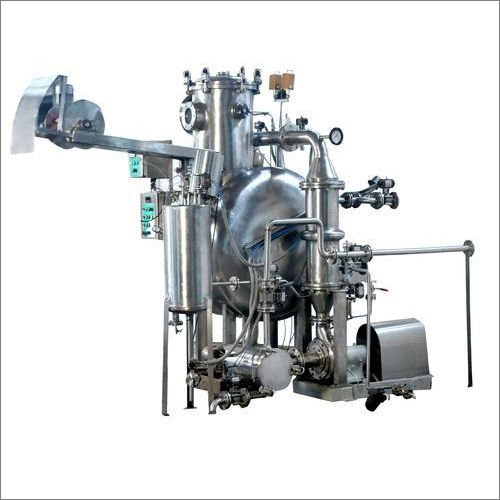
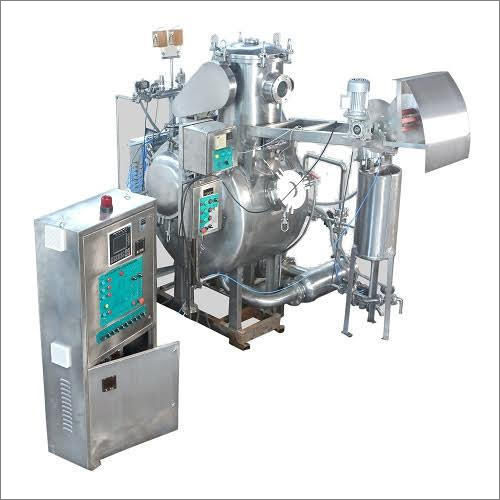
Soft Flow Machine
Product Details:
- Applicable Material Cotton, Polyester, Blend, Viscose, Rayon, Silk, Wool
- Temperature Range Up to 140°C
- Control Type PLC Controlled
- Usage & Applications Textile dyeing of woven and knitted fabrics in medium and large batches
- Machine Type Automatic
- Voltage 415 V
- Dimension (L*W*H) 5500 x 1800 x 2400 mm
- Click to View more
X
Soft Flow Machine Product Specifications
- Single/Multiple (customizable)
- Variable depending on model
- 5500 x 1800 x 2400 mm
- Centrifugal
- Knit and Woven
- 3800 kg (approx.)
- New
- Customizable/Variable
- Low liquor ratio, high efficiency, energy saving, robust construction, uniform dyeing, user-friendly interface, corrosion resistant
- 2023
- Up to 2400 mm
- Up to 140°C
- PLC Controlled
- Cotton, Polyester, Blend, Viscose, Rayon, Silk, Wool
- Textile dyeing of woven and knitted fabrics in medium and large batches
- Automatic
- 415 V
- 15 kW
- Soft Flow Dyeing Machine
- 100 kg, 200 kg, 300 kg and customized
- Stainless Steel 316/304
- Steam/Direct
- Pressure relief valve, emergency shut-off
- 1:4 to 1:6
- Fully/Semi-automatic (as per customer)
Product Description
Owing to our expertise in this domain, we are engaged in offering an excellent quality array of Soft Flow Machine that is exclusively designed to be simple in operation. Mainly used for flowing the raw-material automatically through venturi, this machine is widely demanded in chemical, textile and many other industries. As it is simple in operation and excellent in functionality, this machine is manufactured with the utmost precision of our deft professionals by employing optimum quality components and advanced methodologies. Besides, offered Soft Flow Machine can be availed from us as per the clients' variegated requirement.
Features:
Sturdy construction
Superior performance
Longer service life
Precisely engineered
Superior Dyeing Performance
Expertly engineered for textile dyeing, the Soft Flow Machine ensures consistent dye penetration and vibrant results across diverse fabric types. Its variable liquor ratio and temperature control accommodate sensitive materials while minimizing resource consumption. The PLC-controlled operations and adjustable speed facilitate precision processing, making the machine ideal for both standard and custom dyeing requirements.
Safety and Reliability
User safety is prioritized with advanced features such as a pressure relief valve and emergency shut-off system. The corrosion-resistant stainless steel construction enhances durability, while robust control mechanisms and customizable chambers adapt to operational demands. These measures ensure reliable performance under rigorous production conditions.
User-Friendly Automation
Operators benefit from a modern, user-friendly interface and flexible automation levels tailored to customer needs. The fully or semi-automatic options enable efficient workflow management and simplified operation, whether managing small batches or scaling up for large textile orders. Streamlined controls also reduce human error and elevate productivity.
FAQ's of Soft Flow Machine:
Q: How does the Soft Flow Dyeing Machine achieve uniform dyeing results?
A: The machine utilizes a centrifugal pump and optimized liquor ratio (1:4 to 1:6) that circulates dye evenly through fabrics. Its PLC-controlled system precisely regulates temperature and flow, resulting in consistent color distribution across both knit and woven materials.Q: What types of fabrics and materials can be processed with this machine?
A: It is suitable for a wide range of fabrics, including cotton, polyester, blends, viscose, rayon, silk, and wool. The machine's design supports fabric widths up to 2400 mm and can handle both knitted and woven textiles for versatile production needs.Q: When and where is the Soft Flow Machine typically used in textile manufacturing?
A: This machine is commonly utilized in medium to large-scale textile dyeing facilities for batch processing. It is manufactured and exported from India and is favored for high-output environments requiring efficient and reliable fabric dyeing.Q: What safety features are included to protect operators during use?
A: To ensure operator safety, the machine is equipped with a pressure relief valve and an emergency shut-off system. These features help prevent accidents due to excessive pressure or unexpected system failures, maintaining a secure working environment.Q: How is the dyeing process controlled and automated?
A: The Soft Flow Machine uses PLC (Programmable Logic Controller) technology combined with a user-friendly interface, allowing for either fully or semi-automatic operation. Control options are customizable to customer preferences, ensuring precise oversight and efficient batch management.Q: What are the primary benefits of using this dyeing machine?
A: Key benefits include low liquor ratio for reduced water consumption, energy-efficient operation, robust stainless steel construction, user-friendly controls, and exceptional dyeing uniformity. The machine accommodates variable speed and capacity, optimizing performance for each production requirement.Q: Can the machine capacity and chamber configuration be customized?
A: Yes, capacities of 100 kg, 200 kg, 300 kg, and other custom sizes are available. Chamber numbers and configurations can be tailored according to production volume and fabric type, offering flexibility to meet specific textile processing needs.Tell us about your requirement

Price:
Quantity
Select Unit
- 50
- 100
- 200
- 250
- 500
- 1000+
Additional detail
Mobile number
Email

Other Products in 'Soft Overflow Dyeing Machine' category
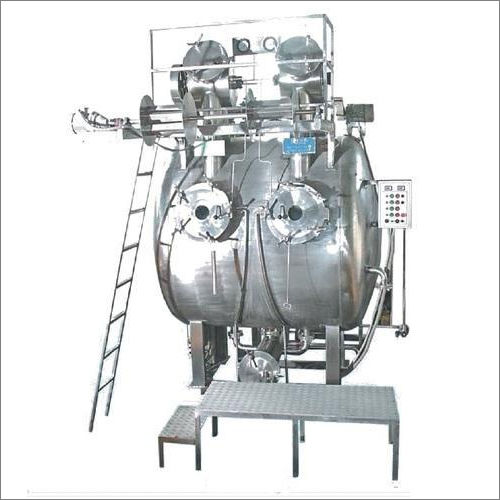
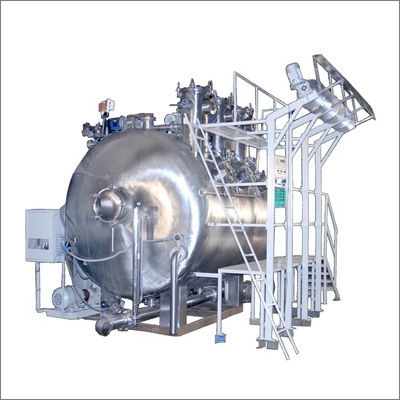
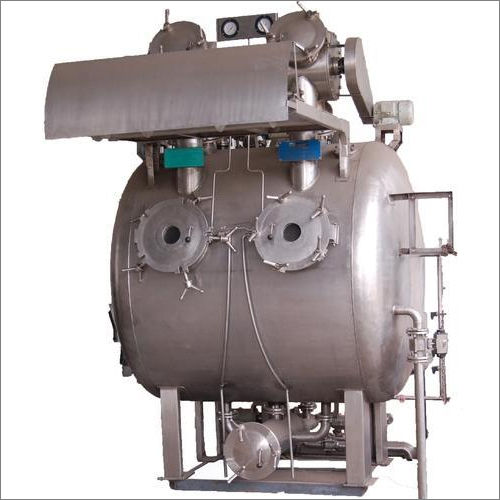

We export in USA Indonesia, Vietnam, Bangladesh, Ethiopia, Uzbekistan, Sri Lanka, Philippines, Turkey and Mexico.
R. B ELECTRONIC & ENGINEERING PVT. LTD.
GST : 24AABCR2885E1ZH
GST : 24AABCR2885E1ZH
Contact Details

- Plot No.413/2, GIDC, CHANOD,Chanod - 396195, Gujarat, India
- Phone : 08045803025

- Mr. Deepak (Business Development Executive)
- Mobile : 08045803025
- Send Inquiry
 Send Inquiry
 Send Inquiry
 Call Me Free
 Send SMS
Products Gallery

|


 |
R. B ELECTRONIC & ENGINEERING PVT. LTD.
All Rights Reserved.(Terms of Use) Developed and Managed by Infocom Network Private Limited. |
